Junbo Yin
Multimodal and agentic AI for scientific discovery.

Research Scientist
CEMSE Division, KAUST
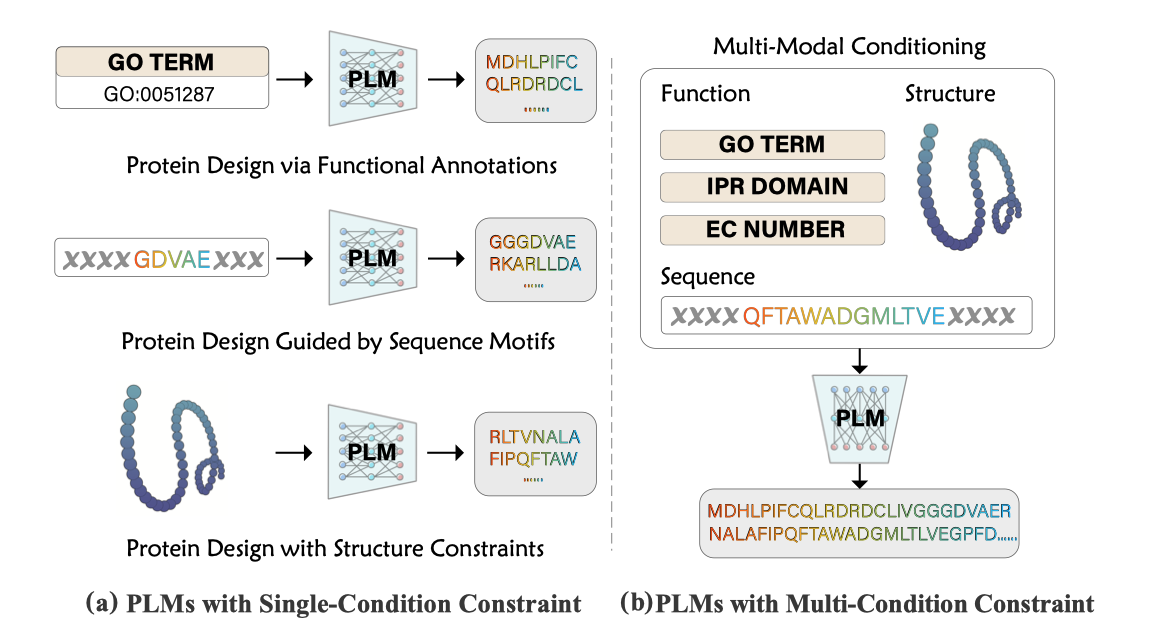
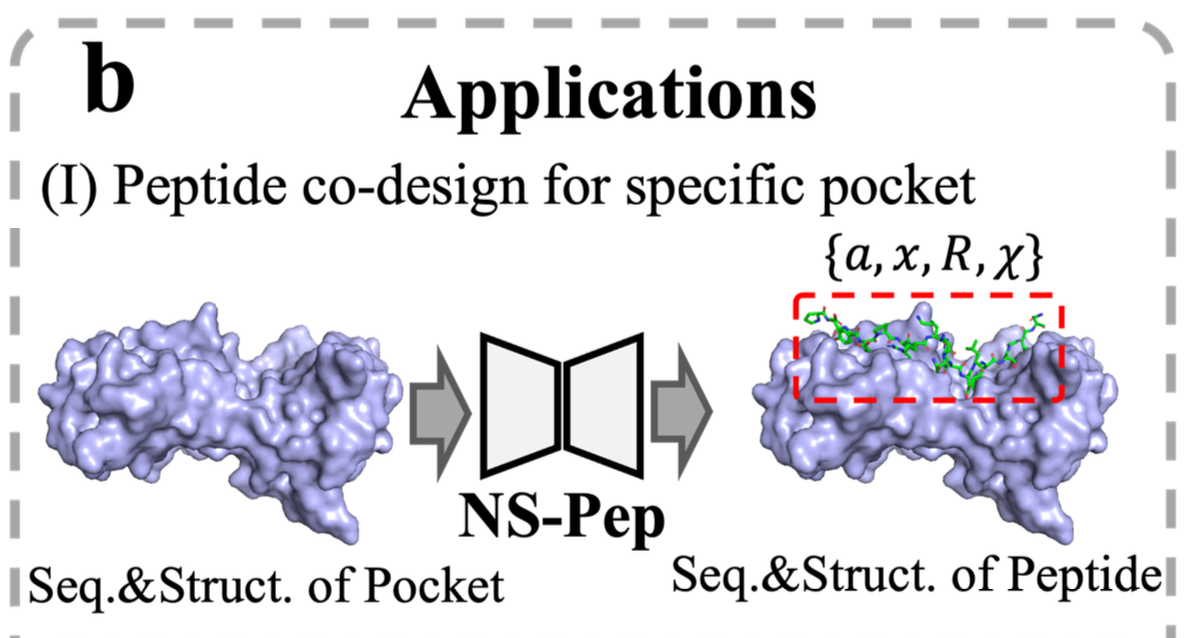
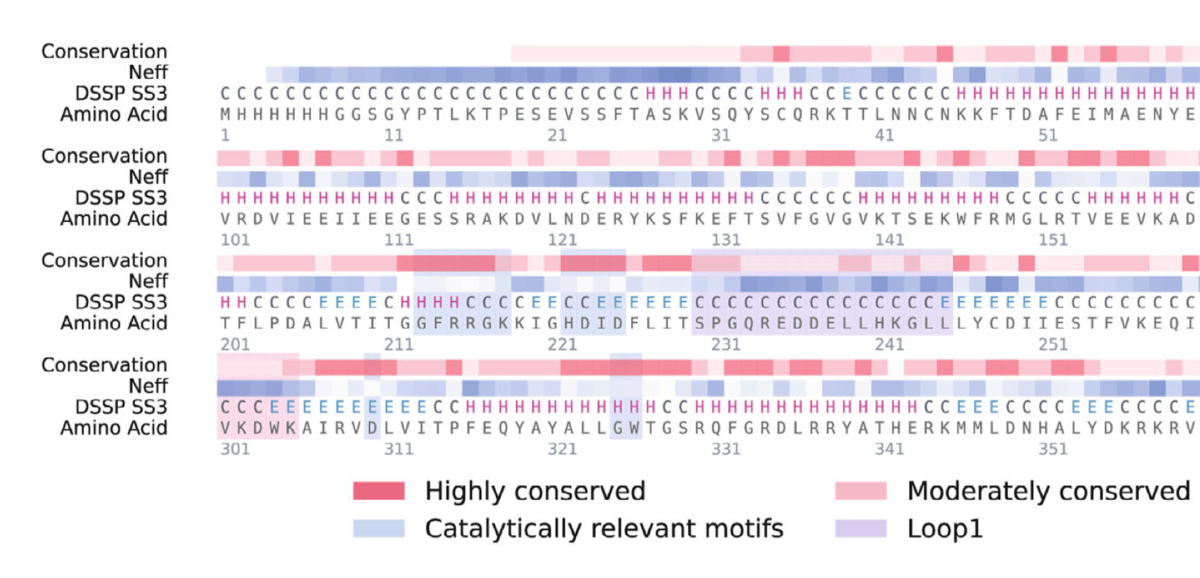
My research lies at the intersection of multimodal and agentic AI for scientific discovery, using protein science as my primary proving ground. I develop multimodal protein foundation models and recursive self-improving agents for long-horizon protein design. My work has been applied to practical protein design problems, including functional industrial enzymes and therapeutic proteins and peptides. Together, these directions aim to close the loop from scientific intent to experimental evidence, making discovery more reliable and autonomous while accelerating real-world translation.
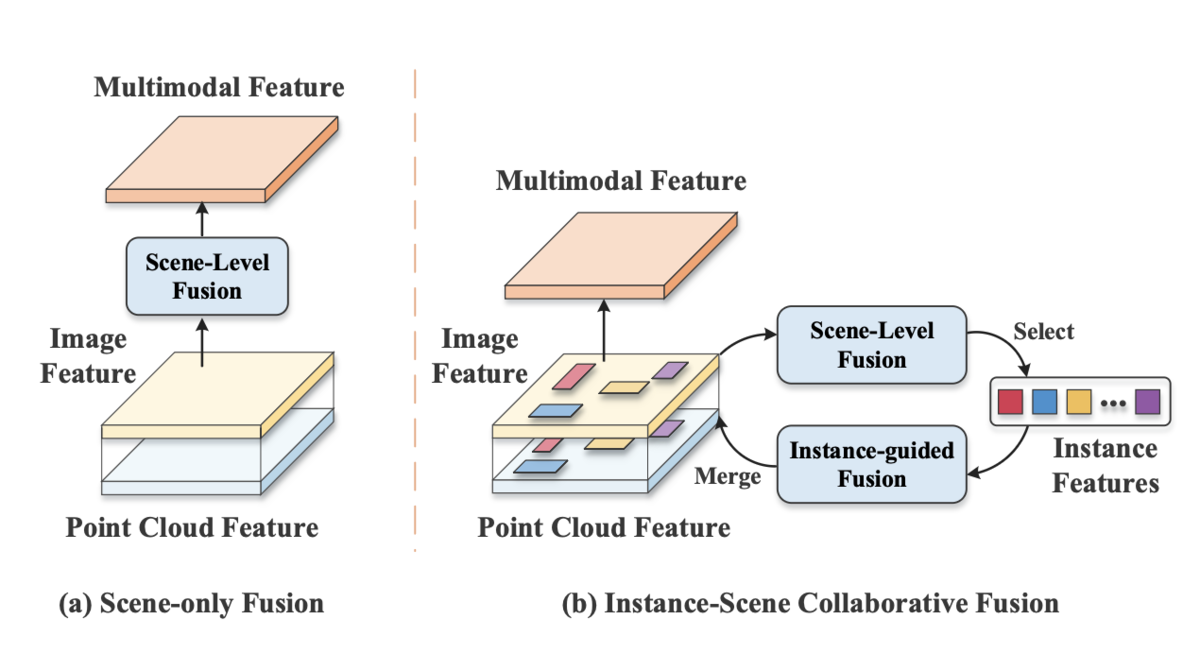
My research is grounded in a broader methodological background in multimodal AI and 3D geometric learning, including multimodal representation learning, self- and semi-supervised pre-training, domain adaptation, and learning from structured 3D data. I am now extending these foundations toward generative modeling, scientific reasoning, and long-horizon autonomous decision-making. At KAUST, I have established an independent research line in this direction. I am a co-investigator on a USD 900K KAUST Competitive Research Grant on AI agents for protein design, lead a USD 100K project under the KAUST SPARK program, and have mentored junior Ph.D. and master’s students to first-author publications at ICCV, ECCV, and AAAI.
I am a Research Scientist in the Computer Science Program at KAUST, working with the Structural and Functional Bioinformatics Group led by Prof. Xin Gao. I received my Ph.D. in Computer Science from Beijing Institute of Technology (BIT) in 2024 under Prof. Jianbing Shen and was a visiting Ph.D. student at EPFL with Prof. Pascal Frossard. I also collaborate closely with Prof. Wenguan Wang on challenging research topics. My work has appeared at ICML, CVPR, ICCV, ECCV, and AAAI, and in IEEE TPAMI, with 2,700+ Google Scholar citations. My Ph.D. thesis received BIT’s Outstanding Ph.D. Dissertation Award, I was awarded Zhejiang Lab’s International Talent Fund for Young Professionals, and I led the team that won first place in the nuScenes Detection Challenge at the ICRA 2021 AI Driving Olympics.
Experience
- Research Scientist, KAUST (2026–)
- Postdoctoral Fellow, KAUST (2024–2026)
- Visiting Ph.D., EPFL LTS4 (2022–2023)
- Research Intern, Baidu Research, Robotics and Autonomous Driving Lab (2019–2021)
Academic service
Reviewer for
- Conferences: CVPR, ICML, NeurIPS, AAAI
- Journals: IEEE TIP, IEEE TNNLS, IEEE TCSVT, IEEE RA-L, Pattern Recognition, Neurocomputing, Sensors
news
| Sep 01, 2026 | 🎉 Started as a Research Scientist at KAUST. |
|---|---|
| Apr 01, 2026 | 💰 Co-investigator on a KAUST Competitive Research Grant (USD 900K) on AI agents for protein design. |
| Feb 01, 2026 | 🎉 SegDesign accepted to Protein Science. |
| Jun 26, 2025 | 🎉 ALOcc accepted to ICCV 2025. |
| May 01, 2025 | 🎉 CFP-GEN, our functional protein generation framework, is accepted to ICML 2025. |